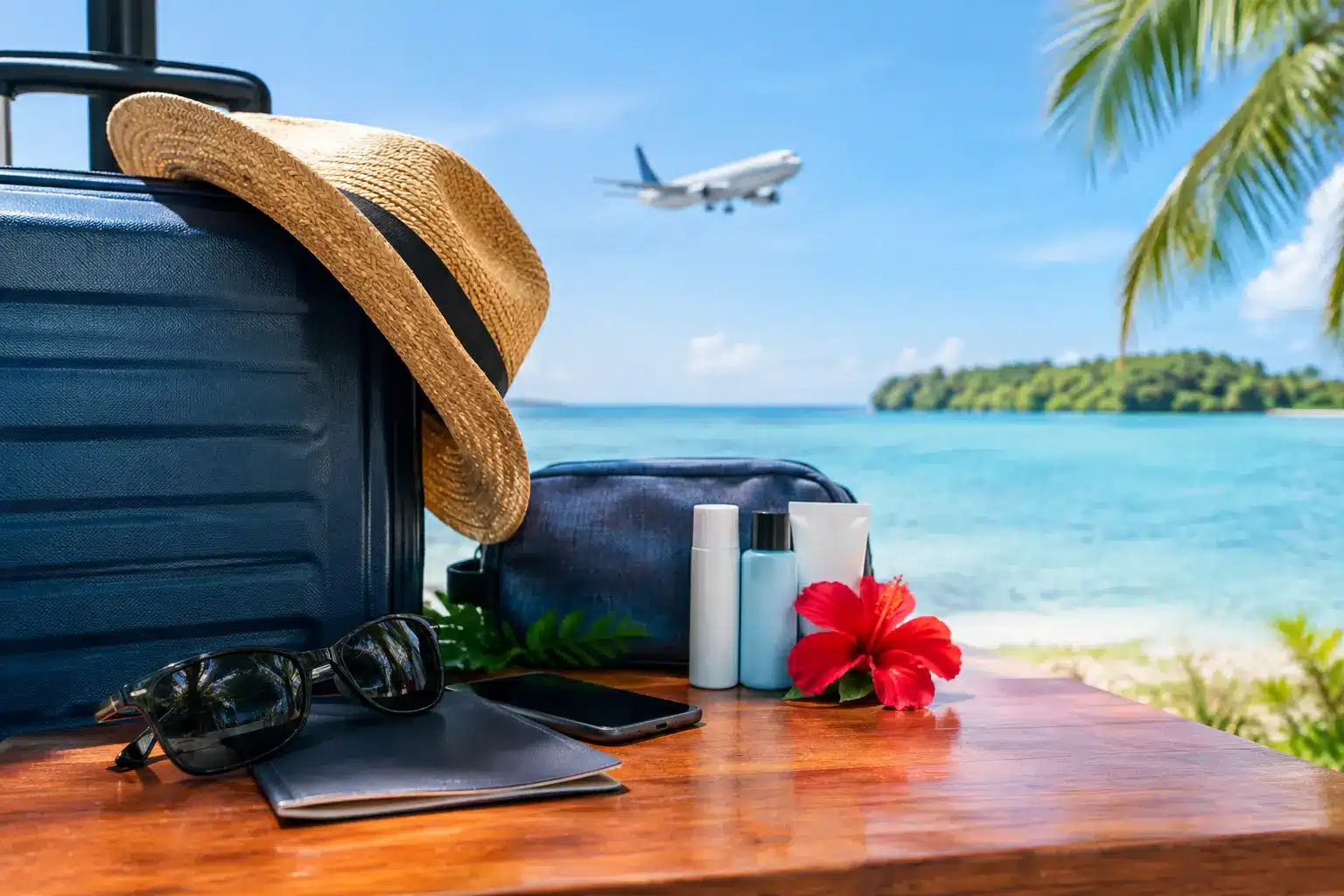
The best Fiji travel essentials are not only what you put in your suitcase. They are the small decisions made before landing at Nadi International Airport: where you are staying, how you will get there, what weather to expect and how you will stay comfortable once island time begins.
For most Australian travellers, Fiji feels wonderfully close, but a smooth holiday still benefits from a little preparation. Whether you are heading to Denarau, Coral Coast, Pacific Harbour or a private villa elsewhere on Viti Levu, organising the practical details early gives you more time for the pool, the beach and a proper bula welcome.
Start With Your Arrival Transfer
After a flight, the last thing most travellers want is to negotiate transport, find room for luggage or work out whether a vehicle is heading in the right direction. Pre-booking a private airport transfer is one of the most useful Fiji travel essentials, particularly for families, couples arriving late, and groups travelling with multiple bags.
A professional driver can meet you at the airport, assist with luggage and take you directly to your hotel, resort or residence in an air-conditioned vehicle. It also removes uncertainty around pricing. Fixed-price transport is especially reassuring when you are arriving in a new country and would rather start the holiday than compare options outside the terminal.
Choose the vehicle around your group and luggage, not simply the number of seats. A standard car may suit two people with light bags, while an SUV or minivan is often more comfortable for families, prams and golf bags. Wedding groups, extended families and corporate travellers should arrange a coaster bus or coach well ahead of time, particularly during busy holiday periods.
Flight times can change, so provide your flight number when booking. This gives your transfer team the information they need to coordinate collection around your arrival. Airport Transfers Fiji can arrange private transport across Viti Levu, with options from cars and luxury vehicles through to larger coaches for organised groups.
Pack for Sun, Showers and Resort Days
Fiji is tropical, so lightweight clothing is the starting point. Breathable cotton or linen, swimmers, sandals and a hat will get plenty of use. Still, it is worth packing for more than bright beach weather. Brief rain showers are common, and evenings can feel cooler after a wet day or in air-conditioned restaurants and vehicles.
The dry season generally runs from May to October and often brings lower humidity and pleasant temperatures. The wetter, warmer season is usually from November to April. This does not mean every day is rainy, but it does mean a compact rain jacket, quick-drying clothes and a flexible attitude are sensible additions. Tropical weather can change quickly, especially when travelling between the coast, inland areas and outer islands.
A practical Fiji packing list should include:
- High-SPF sunscreen, after-sun care and insect repellent.
- Sunglasses, a wide-brimmed hat and a reusable water bottle.
- Reef shoes for rocky shorelines and water activities.
- A light rain layer and one smarter outfit for dinners or special occasions.
- Any regular medication, plus basic remedies for headaches, upset stomachs and minor cuts.
Bring enough of your preferred sunscreen and personal items for the first part of your stay. Resorts and local shops may stock familiar products, but choice and prices can vary outside larger tourist areas. If you plan to snorkel or swim near coral, choose a sunscreen that is mindful of marine environments and follow local guidance at your resort.
Sort Money, Cards and Mobile Access Before You Go
Fiji uses the Fijian dollar. Cards are widely accepted at many resorts, restaurants and larger businesses, but having some cash is helpful for markets, smaller shops and tips where appropriate. You do not need to carry large amounts, and it is wise to keep cash, cards and travel documents separate while out and about.
Let your bank know you are travelling before departure so overseas transactions are less likely to be interrupted. Check your card’s international transaction fees as well. Some travellers prefer a travel card, while others use a standard debit or credit card and withdraw small amounts of local currency as needed. The best option depends on your provider, your planned itinerary and how often you expect to leave the resort.
Mobile coverage is generally available around the main areas of Viti Levu, though it can be less reliable in more remote locations. Check your Australian provider’s roaming rates before you fly. A local SIM or travel eSIM may be worthwhile if you need maps, restaurant bookings or regular contact during your stay. Download accommodation details, transfer confirmations and key maps to your mobile before travelling, just in case coverage is patchy when you need them.
Know the Entry and Biosecurity Basics
Before departure, check that your passport has the required validity for your trip and confirm current entry requirements directly with official sources. Requirements can change, so avoid relying on an old social media post or a friend’s previous itinerary.
Fiji takes biosecurity seriously. Declare food, plant material, animal products and outdoor equipment as required. If you are bringing hiking boots, sports gear or equipment that has been used outdoors, clean it carefully before packing. Being honest and organised at the airport makes the process faster and helps protect Fiji’s environment and agriculture.
Travel insurance is another essential rather than an optional extra. A good policy can help with medical treatment, delayed luggage, travel disruptions and changes to flights or accommodation. Read the policy wording before you buy, particularly if you intend to scuba dive, take part in adventure activities or travel with expensive equipment.
Respect Local Customs Without Overthinking It
Fijian hospitality is warm, generous and relaxed. A friendly “bula” goes a long way, and visitors are usually made to feel welcome quickly. The easiest approach is to be courteous, patient and aware that resort life and village life can have different expectations.
Swimwear is ideal at the beach and pool, but cover up when visiting towns, villages or places of worship. If you are joining a village visit, follow your guide’s advice about clothing, photography and local protocol. Remove hats if requested, ask before taking close-up photographs of people, and accept that some experiences have customs that are best learned in the moment.
Sunday can be quieter in Fiji, particularly away from major resorts. Some businesses may operate reduced hours, and village communities may be focused on church and family time. Plan major shopping, transport requirements and excursions with this in mind, then enjoy the slower pace rather than trying to rush it.
Plan Distances Around Island Time
Viti Levu looks manageable on a map, but road journeys can take longer than expected. Resorts on the Coral Coast, for example, are a scenic drive from Nadi rather than a quick hop. Road conditions, traffic, weather and stops along the way all affect travel time.
This is why door-to-door transport is valuable. Your driver knows the route, your accommodation location and the realistic timing needed for your journey. For departure day, arrange collection from your hotel lobby with enough time for the drive, airport check-in and any unexpected delays. A very early flight may mean an early start, but it is far better to enjoy one last relaxed breakfast than worry about missing a flight home.
If you are splitting your stay between resorts, confirm check-out and check-in times before setting your transfer schedule. Many properties can store luggage if there is a gap, which lets you make the most of the day rather than sitting with bags.
Leave Room for the Fiji You Did Not Plan
A well-organised arrival creates space for spontaneity later. Once your airport transport, accommodation details and essentials are sorted, you can decide whether your next day calls for a river safari, island cruise, snorkelling trip, spa afternoon or no plans at all.
Keep a light rain layer in your day bag, carry water when exploring, and allow extra time for transfers. Then let Fiji do what it does best: slow the pace, warm the welcome and make even the journey to your resort feel like part of the holiday.